Phone calls on OpenAI Realtime
Calls run on OpenAI's Realtime API over Twilio Media Streams, with G.711 µ-law audio from the phone line to the model and back, so there is no transcoding step adding delay.

Woyce engineers built the voice stack of Aiva Chat: AI phone calls on OpenAI's Realtime API over Twilio Media Streams, callers who can interrupt, bookings and follow-ups made during the call, and a warm transfer to a person. Hire one voice AI developer or a small team to build yours. You see matched profiles in 3–5 business days and interview them before committing, billed monthly with no lock-in.
The Aiva Chat case study · Voice AI development · All AI developers
Case study: Aiva Chat
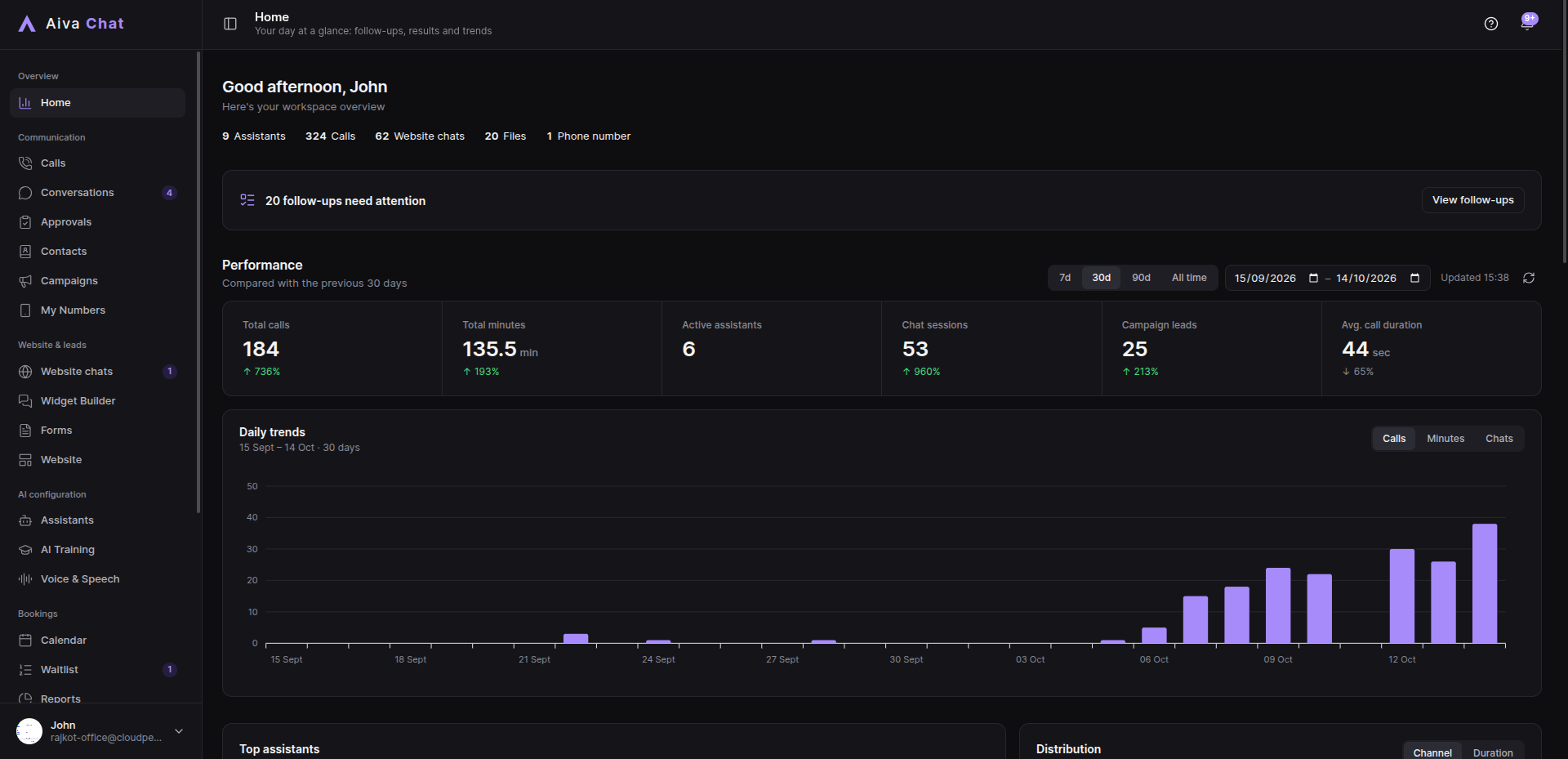
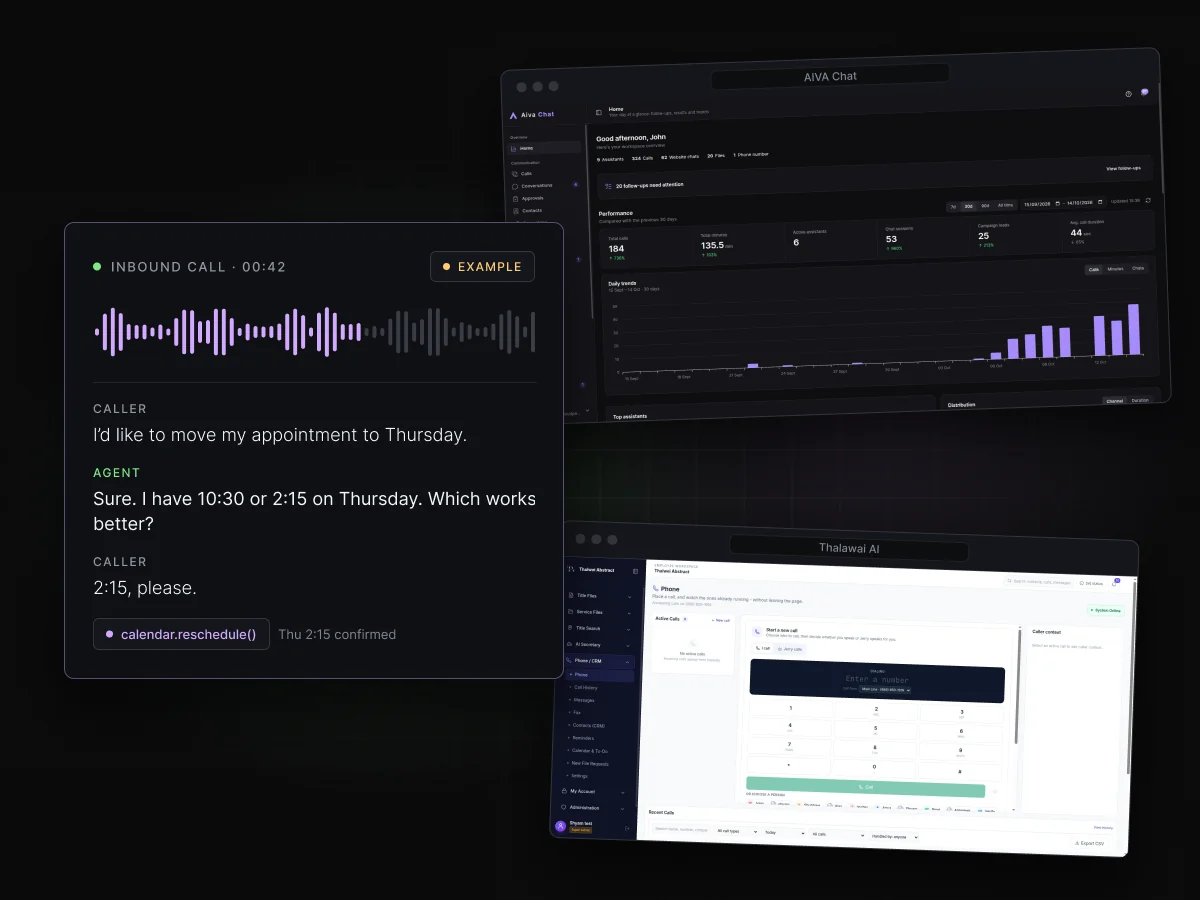
Aiva Chat lets a business put an AI assistant on its own phone number and website. Woyce built the voice side: these are the parts the same engineers would build for you. Read the full case study.
Calls run on OpenAI's Realtime API over Twilio Media Streams, with G.711 µ-law audio from the phone line to the model and back, so there is no transcoding step adding delay.
Barge-in: when the caller starts talking, the AI stops speaking and listens, the way a person on the phone would.
The agent books appointments, looks up who is calling, creates tasks and sends follow-up texts or emails while the caller is still on the line.
When a caller needs a person, the AI transfers the call. If nobody answers, the AI comes back on the line and takes a message, so the caller isn't dropped.
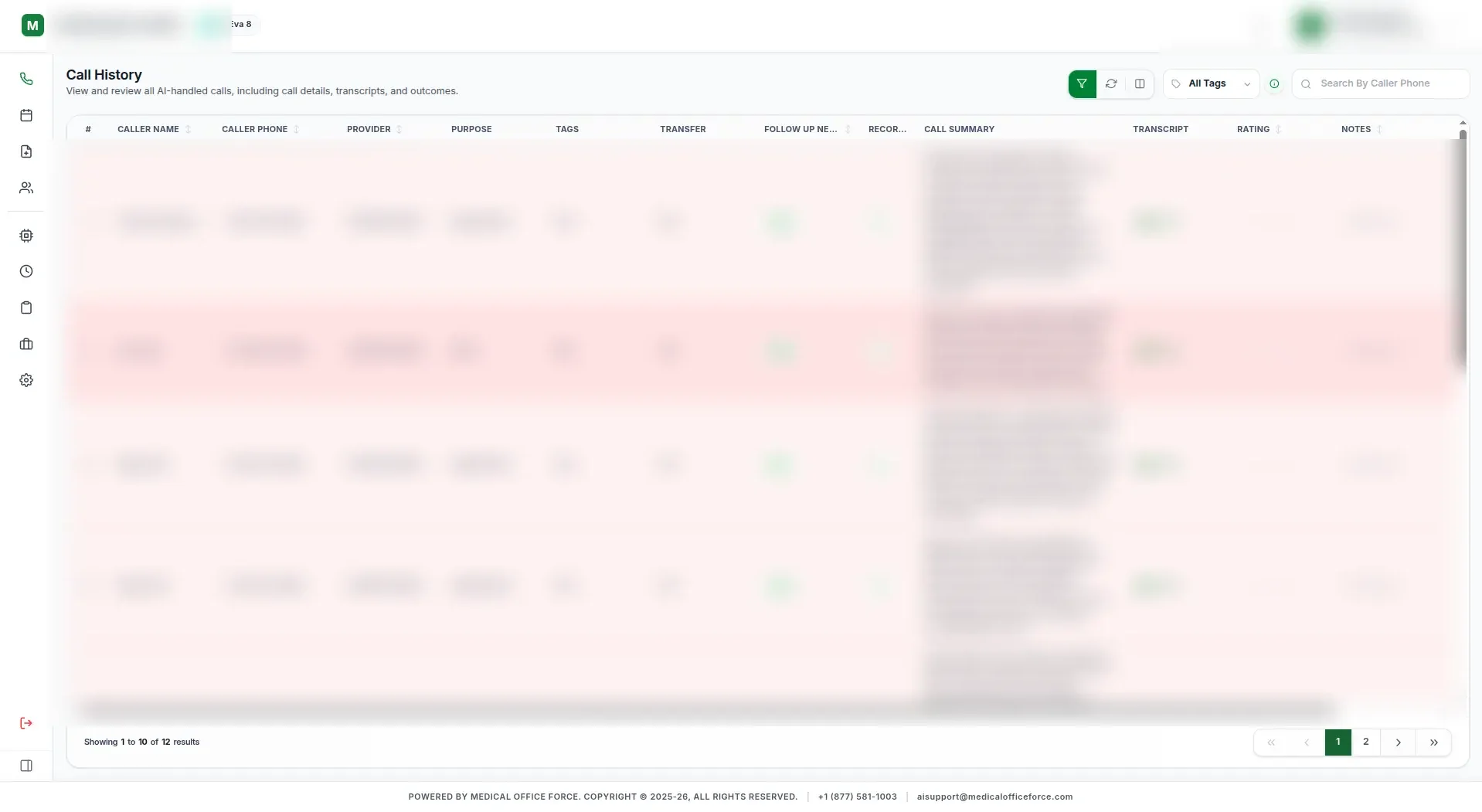
After each call, the conversation is scored against a checklist the business writes, so owners see which calls went off-script without listening to all of them.
Outbound calls check a do-not-call list before dialling and open with a disclosure that the caller is speaking to an AI.
A website voice widget lets visitors talk to the same assistant in the browser, over WebRTC.
What a voice engineer owns
A voice agent fails in places a chatbot never does: latency, interruptions, a transfer nobody answers. A Woyce voice developer owns those parts as well as the model.
Numbers, call routing, media streaming and audio formats, chosen so speech reaches the model with as little delay as possible.
Prompts, voice and language, interruptions, silences and the moment the agent should stop and hand over.
The calendar, CRM and booking calls the agent makes mid-call, with timeouts so a slow system never leaves the caller in silence.
Transfers to your team, what happens when nobody picks up, and how the agent hands over what it already knows.
Recordings, transcripts and per-call checks that show which calls went wrong and what to tune next.
Do-not-call checks and an AI disclosure at the start of every outbound call, built into the dialler rather than left to a prompt.
What you can build
Most voice projects start with one kind of call and grow from there. See voice AI development for the service as a project rather than a hire.
Answers every call, handles questions from your business information, books appointments and transfers to your team.
About AIVA: AI receptionist for inbound callsReminders, follow-ups and qualification calls to your contacts, with recordings and a summary of every call.
Amazon Lex and Amazon Connect for structured, high-volume calls that replace a rigid phone tree.
Voice bots vs IVR: Contact centre on AWSTalk to your product in the browser or an app over WebRTC, using the same agent and tools as your phone line.
Proof
Voice platforms and phone agents the same team has built. Each case study covers scope, stack and results.
AIVA ChatOur product
MOF - Front Desk Reception AgentHealthcare
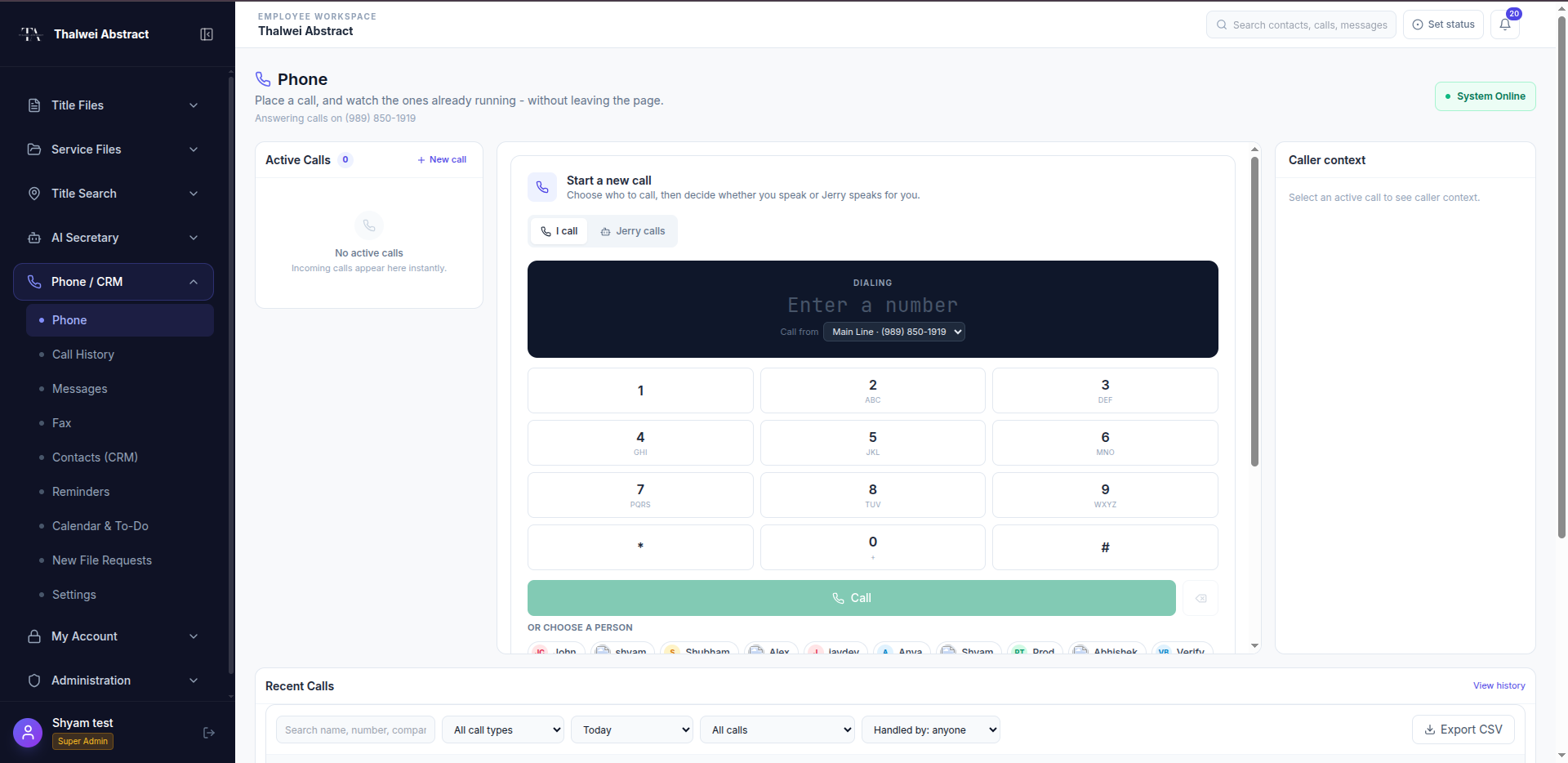
Thalwei AIPhone CRM
Stack
How calls reach the agent.
Hearing, reasoning, speaking.
Tools, records and checks.
How hiring works
The same terms as every Woyce AI developer: a dedicated developer, a small team, or extra senior hands on yours.
Your calls, your systems and what a good call sounds like. If we're not the right fit, we'll tell you.
Engineers matched to voice work and your stack. You interview them before anything is signed.
They join your tools and standups, with 4+ hours of daily overlap with US and UK hours.
Billed monthly per engineer. Scale up or down month to month, and the code is yours from day one.
FAQ
Yes. You can hire one dedicated voice AI developer, a small team that owns the voice product, or add senior engineers to your own team. We share matched profiles within 3–5 business days, you interview them first, and most engagements start within 1–2 weeks.
Yes. Woyce built the voice stack of Aiva Chat (aivachat.io): AI phone calls on OpenAI's Realtime API over Twilio Media Streams, mid-call booking and follow-ups, warm transfer, per-call QA and a website voice widget. The case study is at woyce.ai/projects/aiva-ai.
OpenAI's Realtime API over Twilio Media Streams for natural phone conversations, Amazon Lex and Amazon Connect for structured contact-centre calls, and WebRTC for voice in a browser or app. We pick the stack from your calls, not the other way round.
Yes. The voice agents we build support barge-in: when the caller starts talking, the AI stops and listens instead of finishing its sentence.
The agent transfers the call to your team. In Aiva Chat, if nobody answers the transfer, the AI comes back on the line and takes a message so the caller isn't left hanging.
In Aiva Chat, each call is scored after it ends against a QA checklist the business writes, so owners can see which calls went wrong and tune the agent from real calls instead of guesses.
Yes. Outbound calls in Aiva Chat check a do-not-call list before dialling and open with a disclosure that the person is speaking to an AI. The rules that apply to your calls depend on where you and the people you call are, so confirm them with your own adviser.
Dedicated developers are billed monthly per engineer with no long lock-in. We don't publish rates; we quote after a discovery call, once we know the calls, integrations and team you need.
You do. Engineers work in your repository and tools, and the code and IP are yours from day one.
Who leads this work

Founder & AI Solutions Architect
Designs the real-time voice architecture behind our voice agents — telephony, streaming speech, the agent and its tools — including AIVA, our AI receptionist.
Guides on voice agents, phone systems, and the tools behind them.
The wider practice
The same engineers build agents, RAG, automation, copilots and voice, plus the web and mobile apps around them.
Tell us about your project. We'll send back a fixed-price proposal within 48 hours, or tell you honestly if we're not the right fit.