
Most nonprofit teams didn't sign up to answer the same Gift Aid question forty times a month, rebook volunteer shifts over WhatsApp at 10 PM, or drop a grant application to resend last year's accounts. Yet that's where a large share of the week goes, and it's a big part of why burnout is so common in the sector. The work that matters (programmes, fundraising relationships, casework) gets squeezed by the work that just has to happen.
AI agents for nonprofits target that squeeze. An agent can answer routine donor, volunteer, beneficiary, and funder questions at any hour, connect to the CRM or volunteer database so the answers are specific rather than generic, and hand anything sensitive straight to a person. What has changed recently is cost: the models and integration tooling have matured enough that a scoped deployment is now within reach of small and mid-sized charities, not just national ones.
This guide covers where agents actually help (donor stewardship, volunteer coordination, programme information, events, grant follow-ups, and internal staff queries), what implementation looks like week by week, how charities typically fund it, and the safeguarding, transparency, and data protection questions you need to settle before anything goes live. It also covers what tends to go wrong and when a nonprofit is better off not building an agent at all.
If you lead operations, fundraising, or volunteer management at a charity, you should come away knowing which workflow to start with and whether the numbers work for your organisation.
Nonprofits Face the Same Problems as Businesses — With Fewer Resources
A busy nonprofit handles hundreds of stakeholder interactions every week. Donors with questions about their giving. Volunteers asking about upcoming shifts. Beneficiaries trying to find out about programmes. Event attendees needing registration help. Grant bodies asking for documentation.
The difference from a commercial business is the team on the other side of all that. It's usually smaller, more stretched, and quite often doing this work alongside two or three other roles.
Burnout is a real problem in the sector, and a surprising amount of what causes it is just admin — repetitive, time-consuming communication that could be automated if the organisation had the technical capacity. Most don't, which is exactly the gap an AI agent for nonprofits is designed to fill.
A youth homelessness charity with a team of nine full-timers might field 150–200 inbound messages on a typical week. A referral from a social worker asking about eligibility. A volunteer who can't find the induction form. A donor who hasn't received their receipt. A trustee asking for an updated policy document before the board meeting. None of these individually is hard — together, they add up to two or three days of accumulated admin spread across people who should be doing programme delivery, fundraising, or strategy.
AI agents are that capacity. The thing that's genuinely changed in the last couple of years: the technology has come down in cost to the point where it's actually accessible to nonprofits that would previously have assumed it was out of reach. A deployment that would have cost £80,000 in 2021 now runs at a fraction of that, and the infrastructure that supports it — reliable language models, accessible APIs, better integration tooling — is more mature and predictable than it used to be.
AI Agent Use Cases for Nonprofits
Donor Communication and Stewardship
Donors ask predictable things: how their gift is being used, whether they can change their giving amount, how to claim Gift Aid, where to find their donation receipts, how to set up a legacy gift. A surprising number of these questions arrive on Friday afternoons or Sunday evenings — exactly when no one is around to answer.
An AI agent answers these instantly and accurately, at any hour. For organisations with bigger donor bases, this stops the scenario where a committed donor's question sits unanswered for four days because the fundraising team is at capacity and Friday's already a write-off. Response time matters more than most fundraisers acknowledge: a 2023 Fundraising Regulator report noted that delayed or impersonal follow-up is one of the most commonly cited reasons UK donors lapse.
For stewardship, the agent can handle the routine touchpoints — tax year summaries, anniversary messages, impact updates — that need personalisation but not real human judgement. The fundraising team's attention stays on major donors and the relationships where attention actually matters.
Consider a mid-sized environmental charity with 4,200 regular givers and a fundraising team of three. Before deploying an agent, one team member spent roughly six hours a week on donor query emails — receipts, Gift Aid queries, direct debit changes. That's a third of a full working day per week, every week. With an agent handling those queries directly through integration with their CRM, that time went back into programme reporting and trust fundraising, areas where the team was under-resourced.
Volunteer Coordination
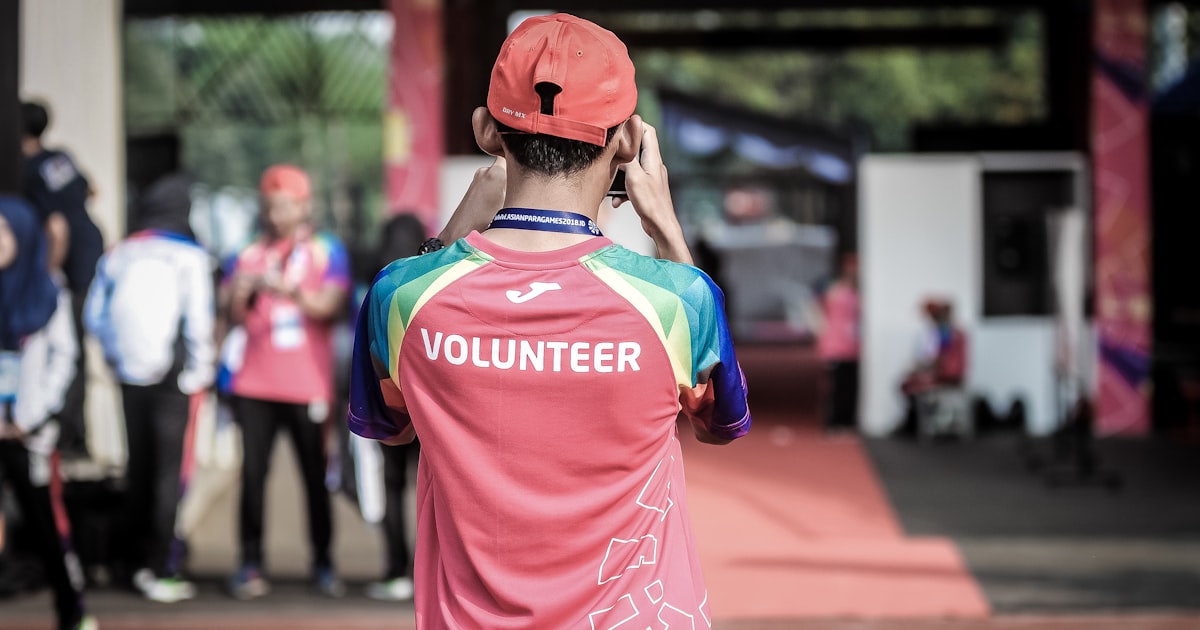
Volunteer management generates a constant stream of repetitive messages: what shifts are available, how to sign up, what to bring, where to go, how to cancel. For organisations coordinating a few hundred volunteers, this is a meaningful chunk of someone's week.
An AI agent handles enquiries, processes shift sign-ups through your volunteer management system, sends reminders and prep information, and collects feedback after sessions. Your volunteer coordinator gets to spend their time on training, recognition, and the conversations that actually keep volunteers coming back.
A food redistribution charity running 14 collection routes across three cities provides a useful example. Their volunteer coordinator was spending 12–15 hours per week on WhatsApp and email managing shift logistics — last-minute cancellations, people asking if there was still space on tomorrow's route, queries about parking at collection points. An agent connected to their volunteer database now handles all of that automatically: it checks availability, confirms bookings, sends pre-shift logistics via SMS, and flags last-minute cancellations to the coordinator in a single daily digest rather than in real time. The coordinator's week shifted from being reactive to being planned.
Programme and Services Information
Beneficiaries and referring organisations need information about your programmes: eligibility, referral processes, waiting times, what support actually looks like, how to access it. These questions often arrive at the worst times — evenings, weekends — when the service team isn't around.
An AI agent provides accurate information about programmes 24/7, screens referral enquiries against eligibility criteria, and routes appropriate referrals into your intake process. Ineligible referrals still get a respectful answer with signposting to alternatives, which matters — people who reach out for help shouldn't bounce off a closed door.
For a domestic abuse charity, the agent handles initial enquiries about the referral pathway and service eligibility, while any message that suggests immediate risk or crisis immediately escalates to a human responder or redirects to the national helpline. The service team reviewed every conversation in the first month and didn't find a single instance where the agent handled a risk indicator incorrectly — that confidence came from careful initial scoping and testing, not wishful thinking.
Event Registration and Management
Fundraising events, community events, training sessions — each one generates the same communication lifecycle. Enquiries beforehand. Registration. Confirmation and prep info. Day-of logistics. Post-event feedback and follow-up.
An AI agent manages that whole layer, connecting to your event management or booking system so the information about each specific event is actually accurate, not a generic template. For annual fundraising dinners with 200+ attendees, or community open days with multiple concurrent sessions, this removes the weeks of inbound email that typically fall to already-stretched event staff in the run-up period.
Grant Application Support
Grant bodies frequently come back with requests for documentation, clarification, or follow-up information. Responding promptly and properly to these matters more than people sometimes realise — it's part of how you're being assessed.
An AI agent can handle routine documentation requests automatically — registration details, accounts, policies, annual reports — so grant bodies get fast, professional responses even when your development team is heads-down writing the next application. Some of the smaller trusts and foundations that nonprofits rely on have lean operations themselves, and a quick professional response to a documentation request genuinely stands out.
Internal Team Support
For larger nonprofits, an internal agent can handle HR, IT, and operational queries from your own team — leave questions, expense processes, IT issues, policy information. Especially useful for distributed teams or organisations with limited central support functions.
A national charity with 60 staff spread across eight regional offices found that basic HR queries — how to book leave, what the expense policy was, where to find the safeguarding policy — were reaching the central team in London at a rate of 30–40 messages per week. An internal knowledge agent reduced that to near zero, and the HR manager's time shifted toward employee relations and recruitment work that genuinely required her.
What to Expect in Practice
The first question most nonprofit leaders ask is how long implementation takes and what happens to the information the agent uses. Here's a realistic picture.
A scoped first deployment — typically volunteer coordination plus donor FAQ — takes six to ten weeks from kickoff to live. The majority of that time isn't building software; it's understanding your actual workflows, auditing the information the agent will need to draw on, and testing responses against the kinds of messages you actually receive.
The agent needs to know your programmes, policies, and processes accurately. That means reviewing and often cleaning up existing documentation, because agents reflect the quality of the information they're given. An organisation that has an outdated volunteer handbook or conflicting information across multiple pages of its website will find those gaps during this process — which is useful, but requires some internal effort.
After launch, expect a calibration period of four to six weeks where you review conversations, identify gaps, and refine responses. This is normal and planned for — it's not a sign that something went wrong. After that period, most organisations need roughly two hours of maintenance per month as programmes change and new information needs updating.
A Quick Comparison: Before and After Automation
| Workflow | Before automation | After automation |
|---|---|---|
| Donor receipt requests | 2–3 days response, handled manually | Instant, automated via CRM integration |
| Volunteer shift queries | 3–5 staff hours per week | Handled by agent, coordinator reviews digest |
| Programme eligibility enquiries | Out-of-hours goes unanswered | 24/7, with immediate human escalation for risk |
| Event registration queries | Inbound email volume spikes for 3 weeks pre-event | Managed by agent connected to booking system |
| Grant documentation requests | Development officer drops other work to respond | Agent sends documentation within minutes |
| Internal HR / policy queries | 30–40 messages to central team per week | Near zero, staff self-serve via knowledge agent |
Benefits of AI Agents for Nonprofits
Staff time goes back to the mission
Every hour spent resending receipts or confirming shift times is an hour not spent on casework, programme delivery, or a funder relationship. An agent takes the repetitive layer off people who joined the organisation to do something else. The work that remains for staff is the part that needs judgement, empathy, and local knowledge, which is also the part they tend to find meaningful. Over a year, that shift is often worth more than the headline cost saving.
Less burnout on small teams
Burnout in the sector is driven in part by a steady drip of interruptions that never stops, including in evenings and at weekends. When routine messages are answered automatically and only exceptions reach a person, coordinators can plan their week instead of reacting to their inbox. That makes roles more sustainable, which matters for organisations that struggle to replace experienced staff when they leave.
Faster responses for donors and funders
A donor who waits four days for a Gift Aid answer feels taken for granted; one who gets an accurate reply in seconds feels looked after. The same goes for grant bodies requesting documents. Quick, consistent responses support retention and reflect well on the organisation's professionalism, without asking a stretched fundraising team to watch the inbox around the clock. Routine stewardship touchpoints such as tax year summaries and impact updates also go out on time, rather than slipping when the team is busy with a campaign.
Help reaches people out of hours
People looking for support, and the professionals referring them, often get in touch in the evening or at weekends. An agent that can explain eligibility and the referral pathway at any hour, while escalating anything that suggests risk, means fewer people give up after reaching a closed office. Ineligible enquiries still leave with signposting rather than silence.
Cleaner information across the organisation
Preparing an agent forces an audit of handbooks, policies, and web pages. Contradictions and outdated details surface and get fixed, which helps staff and volunteers as much as the agent. Many organisations find this side effect valuable on its own, because the same corrected material feeds induction packs, websites, and funder reports.
Funding AI Agents in a Nonprofit Context
Cost is a real consideration. A few routes we've seen work:
Digital transformation grants. A number of funders — including DCMS in the UK, various tech-for-good foundations, and corporate foundations — explicitly support digital capacity building. An AI agent project that demonstrably improves service delivery or staff wellbeing tends to be a strong fit. The key is framing: funders respond to applications that tie the investment to measurable outcomes, not to the technology itself.
Efficiency savings arguments. Even outside dedicated digital grants, demonstrating that the investment frees staff capacity for mission-critical work is a credible case. An agent that recovers 20 hours of staff time per week is roughly equivalent to half a part-time post — that comparison tends to land well with trustees who understand headcount costs.
Phased implementation. Start with the workflow that has the clearest ROI and the lowest build cost — usually volunteer coordination or donor FAQ. Use the result to justify the next phase. This approach also reduces the internal risk: a smaller first project lets your team build confidence in the technology before committing to something bigger.
Pro bono and reduced-rate support. Some AI development agencies offer discounted rates for registered charities. We work with nonprofits on a case-by-case basis and are happy to discuss pricing that reflects charitable status.
A realistic first deployment for a small to mid-sized nonprofit typically runs £8,000–£20,000 depending on scope, integration complexity, and the number of workflows covered. That covers build, testing, initial training, and a period of post-launch support.
Important Considerations for Nonprofits
Safeguarding. If your organisation works with vulnerable adults or children, any AI system that interacts with beneficiaries needs specific safeguarding thought. The agent must have immediate human escalation for any sign of risk. This isn't optional — and frankly, if anyone selling you an AI agent skips this conversation, that's a flag.
Safeguarding configuration isn't just about adding a warning message. It means defining, in advance, exactly which phrases, themes, or situations trigger escalation, who the escalation goes to, and what happens if that person isn't immediately available. It also means testing that configuration against real-world scenarios before anything goes live.
Trustee and stakeholder buy-in. AI adoption in nonprofits sometimes runs into internal resistance — concerns about depersonalising services, job displacement, or ethics. Engaging trustees and senior leadership early, with a clear explanation of what the agent does and doesn't do, usually prevents those concerns from becoming blockers.
The framing that tends to work: the agent handles queries that currently consume staff time and aren't giving anyone satisfaction to answer. Nobody joined a homelessness charity to spend four hours a week sending donation receipts. The human relationships that define good charitable work don't go away — they get more time.
Transparency with beneficiaries. Beneficiaries should know they're interacting with an AI. Most won't mind. Some will prefer a human. The system should make both options visible.
Data governance. Beneficiary data is often sensitive. Data handling needs to comply with your existing data protection framework and any sector-specific requirements. This includes where data is processed and stored, how long conversation logs are retained, and who can access them. These aren't afterthoughts — they need to be scoped before build begins.
Common Nonprofit AI Agent Mistakes
Underestimating the documentation clean-up
The most common failure mode isn't a dramatic one — it's an agent that answers accurately but handles around 60% of queries rather than 85%, because the underlying information it draws on is out of date or contradictory. This usually comes from organisations underestimating the work of getting their documentation into a usable state before the agent is trained on it.
Leaving staff out of the project
If staff don't trust the agent, they'll undermine it by telling people to email them directly instead. This is almost always a communication problem, not a technology one — addressed by involving the team in testing and by making the review process visible so people can see what the agent is actually doing.
Letting scope creep during the build
Enthusiasm grows once people see early results, and extra workflows get added mid-project. Each additional workflow adds testing time and complexity. Defining scope clearly at the start and committing to it — with later phases as a planned next step — keeps the first deployment manageable.
Treating safeguarding as a disclaimer
Adding a line that says "in an emergency, call 999" is not a safeguarding design. Organisations that skip the work of defining escalation triggers, out-of-hours cover, and testing against realistic messages leave the agent to improvise in exactly the conversations where improvising is least acceptable. That work has to happen before launch, with the safeguarding lead involved.
Hiding the AI or the route to a person
Some teams worry that disclosure will put people off, so the agent is presented as if it were staff, or the option to speak to someone is buried. When people find out, trust drops for the whole organisation. Clear disclosure and a visible human route cost little and protect the relationship with donors and beneficiaries.
Nonprofit AI Agent Best Practices
- Pick the workflow with the clearest staff-time cost. Count the hours spent each week on volunteer logistics, donor queries, or programme enquiries before choosing. Start with the highest-volume, lowest-risk one, and record the baseline so you can show trustees the difference later.
- Audit and own the source information. Assign a named person to each body of knowledge the agent uses: volunteer handbook, Gift Aid guidance, eligibility criteria. Fix contradictions before launch and set a monthly review so changes to programmes reach the agent quickly.
- Design safeguarding with your safeguarding lead. Write down the phrases and situations that trigger escalation, who receives it, and what happens out of hours. Test those triggers against realistic messages and record the results before any beneficiary-facing launch.
- Disclose clearly and keep a human route visible. Tell people at the start that they are speaking with an AI assistant, and make it easy to reach a person at any point. Most people will be happy to continue; those who aren't should never feel trapped.
- Settle data governance before build. Decide where conversations are processed and stored, how long logs are kept, and who can access them, in line with your existing data protection framework. Treat conversation logs with the same care as CRM records, and make sure any supplier processing them is covered by an appropriate data processing agreement.
- Plan the calibration period and staff review. Schedule four to six weeks of conversation review after launch with named reviewers. Share what the agent got right and wrong with the wider team, which builds trust and catches gaps early.
- Report outcomes in mission terms. When reporting to trustees or funders, describe the result as staff hours returned to programmes, faster responses to donors, and out-of-hours enquiries answered, not as technology adopted. That framing also supports the case for the next phase.
Where This Doesn't Fit
We'd be honest about this: not every nonprofit benefits from an AI agent right now. If your beneficiary work is primarily relational — counselling, intensive casework, advocacy where the human relationship is the service — automation isn't the lift you need. If your volume is genuinely low, the maths doesn't work either; you're better off investing in your team. The agent earns its place when there's a clear repetitive layer eating into time that should be going to mission-critical work.
Related guides
- AI agents for membership organisations
- How AI agents are transforming customer support
- AI automation for operations managers
- How to measure AI agent ROI
- Our AI agent development services
A Realistic Starting Point
The most common first deployment we see for nonprofits is a volunteer coordination agent combined with programme information handling — two workflows with high volume, clear automation paths, and a real staff-time cost.
A well-scoped first deployment can typically be funded within a digital transformation grant of £8,000–£15,000, and tends to free 15–25 hours of staff time per week.
Talk to us about your organisation — we work with nonprofits, understand the constraints, and will tell you straight if we think your priorities should be elsewhere.
Frequently Asked Questions
How much does it cost to build an AI agent for a nonprofit?
A first deployment covering one or two workflows — typically volunteer coordination and donor FAQ — runs £8,000–£20,000 for build, integration, testing, and initial post-launch support. More complex deployments with multiple integrations or safeguarding-specific configuration sit toward the upper end or beyond. Many nonprofits fund this through digital transformation grants, which several UK and US foundations explicitly support.
Will an AI agent replace our staff?
No. The agent handles the repetitive, high-volume admin that currently absorbs staff time — answering the same donor queries, managing volunteer shift enquiries, sending documentation. Staff still handle everything that requires judgement, relationships, or genuine complexity. In practice, organisations that deploy agents find that staff satisfaction tends to improve, because the work that was causing fatigue gets removed and the work that people find meaningful gets more time.
How do we handle safeguarding if the agent interacts with beneficiaries?
Safeguarding needs to be scoped before any build begins. That means defining the exact triggers that escalate a conversation to a human, who receives that escalation, and what happens out of hours. Any agent interacting with vulnerable people must make human contact immediately accessible at any point. We won't build a beneficiary-facing agent without this work being done properly — and if a developer you're speaking to doesn't raise this unprompted, that's a problem.
What happens if the agent gives someone wrong information?
The agent only draws on information you've provided and approved — it doesn't browse the internet or generate information independently. Errors typically come from outdated or contradictory source documentation, which is why the information audit before launch matters. During the post-launch calibration period, your team reviews conversations and flags anything inaccurate, which is used to correct the agent's knowledge base. For high-stakes information (eligibility thresholds, legal rights), the agent can be configured to direct people to a human rather than answering directly.
How long does it take to get an agent live?
A scoped first deployment typically takes six to ten weeks from kickoff to live. That includes discovery and workflow mapping, documentation review, build, integration with your existing systems, testing, and a controlled soft launch. The timeline extends if your existing documentation is significantly out of date or if integrations are complex. A phased approach — starting with one workflow and expanding — keeps the first delivery faster and lower risk.
Do our beneficiaries and donors need to download anything or use a specific platform?
No. AI agents typically deploy as a web chat widget on your website, or via WhatsApp, SMS, or email — whatever channel your stakeholders already use. There's no app to download and no account to create. The interface looks like a standard chat or messaging experience. Choosing the channel is worth some thought: volunteers often prefer WhatsApp, older donors tend to use email or phone, and referral partners usually expect a web form, so many charities start with one channel and add others later.
Can we use an AI agent if we're a small charity with a limited budget?
It depends on your query volume. If you're fielding fewer than 30–40 inbound messages a week across all channels, the investment won't pay back quickly enough to justify the cost. If you're closer to 100+ messages per week across donor, volunteer, and beneficiary queries, the maths starts to work. The practical question is whether there's a clear workflow where staff are spending five or more hours per week on repetitive communication — if yes, there's likely a viable starting point.
Conclusion
Nonprofits carry the same communication load as a commercial business with a fraction of the staff, and much of that load is repetitive: receipts, shift changes, eligibility questions, documentation requests. An AI agent gives that time back to the people doing mission work, provided it's built on accurate information and connected to the systems you already run.
The insights that matter most are practical. Start with one or two high-volume workflows, usually volunteer coordination and donor FAQs. Expect the documentation clean-up to take longer than the build. Plan a calibration period where your team reviews conversations before you trust the agent fully. And treat staff buy-in as part of the project, not an afterthought.
The caveats are not small. Any agent that talks to vulnerable beneficiaries needs safeguarding triggers, out-of-hours escalation, and clear disclosure that people are speaking with AI. Data protection obligations apply to conversation logs just as they do to your CRM. And if your work is mostly relational or your volume is low, the money is better spent on your team.
If you can point to five or more staff hours a week lost to repetitive messages, that's your starting point. Our AI agent development team can help you scope a first deployment that fits a charity budget.